




 Garantía de entrega


Artículo: AMZ-B0DVRJ51DL
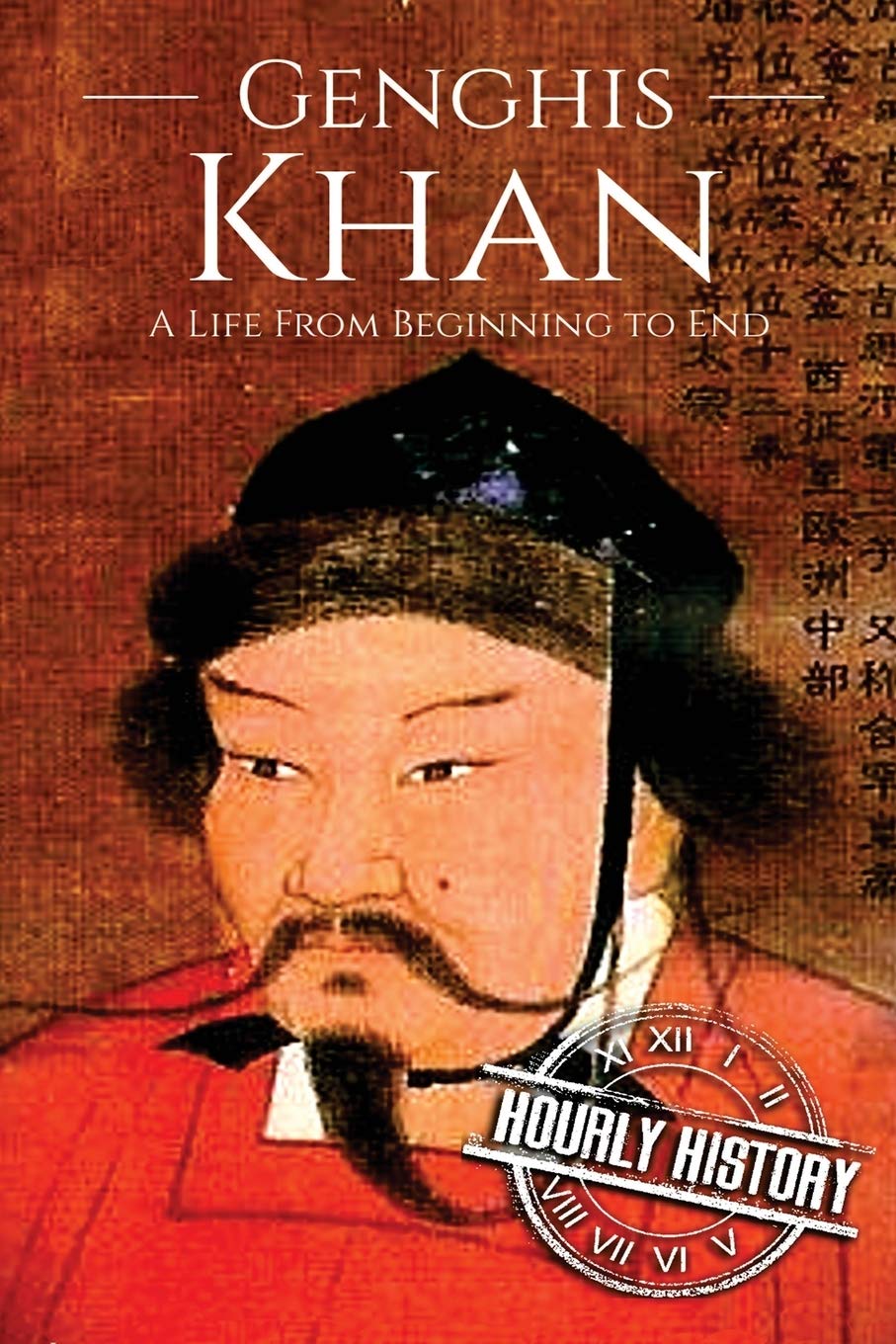
Genghis Khan, The Emperor of All Men
Format:
Hardcover
Detalles del producto
Disponibilidad
En stock
En stock
Peso con empaque
0.39 kg
0.39 kg
Devolución
Sí
Sí
Condición
Nuevo
Nuevo
Producto de
Amazon
Amazon
Viaja desde
USA
USA
Sobre este producto
- Genghis Khan was the greatest conqueror the world has ever known. The terror and scourge of civilization – half of the known world trembled under the galloping hoofs of his swift riding hordes. From a hunted outlaw on the bleak Mongolian plains, he rose meteor-like to rule an empire vaster than any before or since. In the early 13th century, a simple nomad chieftain named Timujin - "Iron Man” – went on to become Genghis Khan, "Universal Ruler", the greatest conqueror ever known - a warrior feared from Britain to the Korean peninsula. He went on to destroy China to provide grazing land for his horses. He defeated the flower of European Chivalry. In one battle his men killed 100,000 Turks. He razed walled towns, leaving smoking ruins. He made his own “ten commandments” and established a peace by terror so that it was said “A virgin with a sack of gold could ride unharmed from one border of the nomad empire to the other.” Indeed, the barbaric Mongolians were molded into the finest, most disciplined force of mobile fighting ever assembled. The lightning quick movements and encircling tactics of Mongol horsemen baffled opponents – from the Persian Shah to the Muslim Caliphat - time and again. The couriers of the Khan galloped over fifty degrees of latitude. He moved an army of a quarter of a million men two thousand miles over country a modern army could not possibly negotiate. To him the greatest happiness was – “to crush your enemies, to see them fall at your feet – to take their horses and goods and hear the lamentations of their women.” And after he had altered the whole course of civilization, he wondered why he had done it. Harold Lamb’s revelatory work – much like Jack Weatherford’s - on Genghis Khan is not to be missed. About the Author: Harold Lamb was an American writer, novelist, historian, and screenwriter. He wrote extensively on subjects related to Asia and Middle East, advocating for inclusion in literature and history. "It all came out as an intense irritation over the fact that all history seemed to draw a north-south line across Europe, through Berlin and Venice…” he told the New York Times. “Everything was supposed to have happened west of that line, nothing to the East. Ridiculous of course.”

Producto prohibido
Este producto no está disponible
Este producto viaja
de USA ![]() a tus manos en
a tus manos en
![]()
 a tus manos en

Compra protegida
Disfruta de una experiencia de compra segura y confiable
![]() Garantía de entrega
Garantía de entrega
Con Tiendamia todas tus compras cuentan con Garantía de Entrega o devolución total de tu dinero.
Compras 100% seguras y garantizadas, para que pidas lo que sueñas y lo recibas del mundo a tu puerta.
Tarjetas de Débito y Crédito

Visa

Mastercard

American Express

Dinners

Discover

Alias
Pagos a través de PayPal
Compra procesada en dólares con dinero en cuenta o tarjetas internacionales.

PayPal

.svg)
 Garantía de entrega